Florida Probate Attorneys
Offering Quality Legal Representation You Can Trust
Probate is a legal proceeding in Florida involving court supervision of a person and/or of a person’s assets. Generally, the term “probate” is used in connection with the process of administering a decedent’s estate; however, in Florida, the probate court has jurisdiction over probate matters. Probate is the state-supervised process of managing a person’s assets after his death.
Contact our Florida probate lawyers by calling (954) 764-7273 today!
Understanding the Probate Process in Florida
Probate can range from the simplest of matters resolved in a matter of months to a protracted and years-long battle in the Florida court involving significant amounts of both time and money. If you are unfamiliar with the legal requirements in Florida, it can be especially complex and overwhelming. At Adrian Philip Thomas, P.A., our team of experienced probate attorneys is here to guide you through every step of the probate process, ensuring that your loved one's estate is handled with care and efficiency.
Key aspects of the probate process in Florida include:
- Identifying and inventorying the deceased person's assets
- Paying off debts and taxes owed by the estate
- Distributing assets to beneficiaries according to the will or state law
- Resolving any disputes or challenges to the will
With our expertise in Florida probate law, we can help you navigate through the complexities of probate and provide you with peace of mind during a difficult time.
Top Reasons to Hire a Florida Probate Attorney
- Gain Access to the Estate Sooner: A probate attorney can expedite the process of gaining access to the estate, ensuring that necessary steps are taken promptly.
- Avoid Family Conflicts: Hiring a probate lawyer can help prevent potential conflicts among family members regarding the distribution of assets and property.
- Prevent Legal Claims Against the Estate: A probate attorney can assist in preventing legal claims against the estate, providing legal protection for the deceased's assets.
- Ensure Compliance with Probate Rules: Florida has its own set of probate rules, and a probate attorney can ensure that all necessary boxes are checked and the process is compliant with the specific regulations.

The Stories That Matter
Read Our Client Thank You Notes
-
"Please know how much I appreciated your hard work and effort representing me!"Jeff, please know how much I appreciated your hard work and effort representing me! Thank you for putting up with me and for never making me feel inept.- S.H.
-
"We cannot adequately express our gratitude for your excellent work in the resolution of this matter."I don't think there is a better way to express how we feel about these attorneys than to show our final message to them: Ryan & Adrian: We cannot adequately express our gratitude for your excellent work in the resolution of this matter. While certainly- MB & KB
-
"Would not hesitate to use him in the future."
Took the time to explain to me what was going on with my case in way that made sense. Would not hesitate to use him in the future.
- F.S. -
"Adrian, Thanks, you’re doing a great job and you’re the best and only lawyer that has been ethical and professionally serious about this case."Adrian, Thanks, you’re doing a great job and you’re the best and only lawyer that has been ethical and professionally serious about this case. You have great communication skills as well. Thank you.- L.A.
-
"I appreciate all your help with my case and your professionalism"Hi Michele, I appreciate all your help with my case and your professionalism. Jeff and Esther were extremely helpful, especially considering the difficult circumstances.- S.J.
-
"Thank you for your time, kindness and help."Mr. Trinkler, Just want to say thank you for your time, kindness and help.- G.W.
-
"Michele, Thank you. This speaks to the excellent work Mr. Thomas & yourself have done."Michele, Thank you. This speaks to the excellent work Mr. Thomas & yourself have done.
-
"Thank you for all you have done."Hi Ryan, Thank you for all you have done. Truly feeling relief and a release, being free from lawsuit. Just wanted to tell you how much I depended on you, and appreciate all you have done.- E.D.

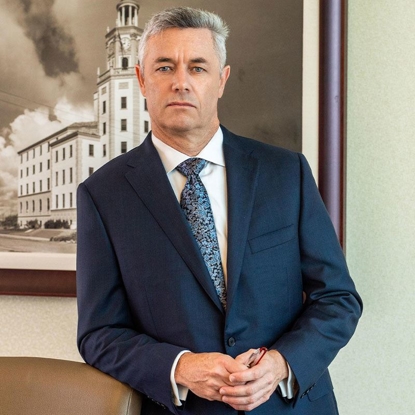
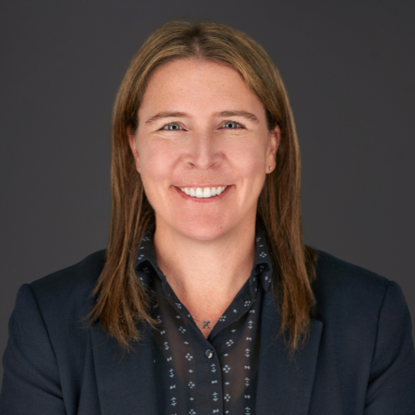
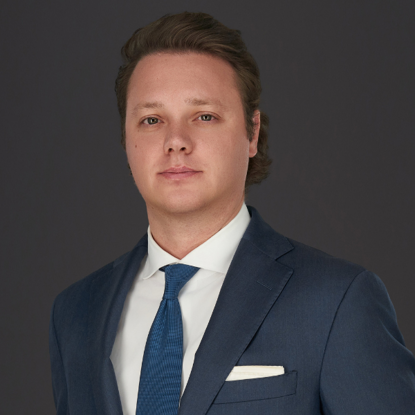
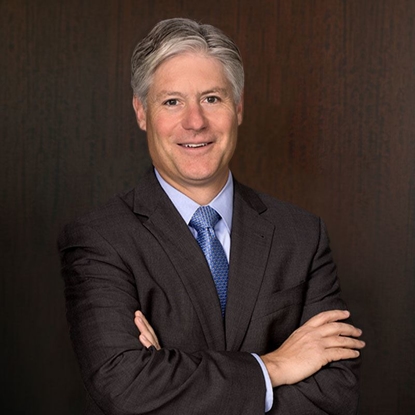
Meet Our Distinguished Team
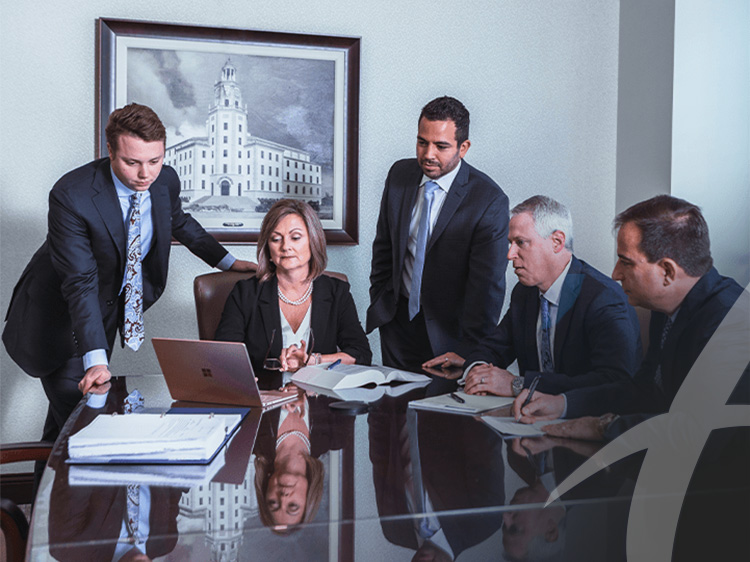
A Confident, Zealous, and Aggressive Law Firm Committed to You