Special Needs Attorney in Florida
Protecting Your Loved One’s Future With Thoughtful Special Needs Planning
Planning for a child or adult with disabilities differs from other types of estate planning. You are not only thinking about assets and documents, but also about a real person who may always depend on others for support. As a special needs attorney Florida families turn to for guidance, Adrian Philip Thomas, P.A. helps you create a plan that preserves essential benefits and provides long-term security.
Our team focuses on Florida probate, trust, and estate litigation, so we understand how poorly drafted plans can unintentionally cut off SSI or Medicaid, trigger family conflict, or leave a vulnerable person without protection. We work with parents, grandparents, and other relatives to structure inheritances, settlements, and support in ways that are practical today and resilient in the future.
Lock in benefits. Protect their future. Talk to our Florida special needs attorney at Adrian Philip Thomas, P.A. today.
Planning For A Loved One With Special Needs In Florida
Many families first think about special needs planning when they realize that leaving money outright to a disabled loved one could cause serious problems. A direct inheritance, lawsuit recovery, or large gift can affect eligibility for means-tested programs like SSI and Medicaid, and it can put significant funds in the hands of someone who may not be able to manage them safely. Florida families often find this out when a benefit is reduced or suspended after a payment is received.
At the same time, doing nothing is not an option for most caregivers. You may be the one who understands medications, appointments, routines, and what truly gives your loved one quality of life. The idea of not being there in the future, or of leaving everything in the hands of relatives who may disagree, can be frightening. We recognize that you want a plan that respects your loved one’s dignity, protects their benefits, and reduces the chance of painful conflict.
Special needs planning in our state often involves coordinating several moving parts. These can include your own will or revocable trust, any existing guardianship, beneficiary designations on life insurance or retirement accounts, and the rules that govern public benefit programs. We help you see the entire picture so that the arrangements you set up work together instead of against each other when they eventually intersect with Florida probate courts.
Why Families Choose Adrian Philip Thomas, P.A. For Special Needs Planning
When you are planning for a vulnerable family member, you want more than general information. You want to know that the law firm you choose has handled complex situations, including disputes, in the same courts and under the same laws that will apply to your family. At Adrian Philip Thomas, P.A., our practice is dedicated to probate, trust, and estate litigation in Florida, and we have been representing clients in these matters since 2002.
Over that time, we have assisted more than 5,000 clients in estate-related disputes and obtained over $230 million in verdicts and settlements. These results reflect years spent in Florida circuit courts, including Broward, Miami-Dade, and Palm Beach counties, handling will contests, trust challenges, fiduciary disputes, and claims of exploitation involving elderly and disabled individuals. That experience informs how we approach special needs planning, because we have seen where plans break down and how courts respond when they do.
Our founding partner, Adrian P. Thomas, holds an AV rating from Martindale Hubbell and a 10 Superb rating from Avvo, and has been recognized among Florida’s Legal Elite as well as by national publications. For our clients, these recognitions are less about labels and more about reassurance that they are working with a team that has been vetted by the legal community. Just as important, families tell us they value our personalized attention, our willingness to explain options in clear language, and our calm, compassionate approach during difficult conversations about the future.
Key Tools For Special Needs Planning Under Florida Law
Effective special needs planning usually centers on one central tool, the special needs trust. This type of trust is designed to hold assets for a disabled person in a way that preserves eligibility for means-tested benefits, while allowing funds to be used for supplemental needs that improve quality of life. Those might include therapies not covered by insurance, personal items, travel with a caregiver, or recreational activities.
There are two common categories of special needs trusts that Florida families encounter. A first-party special needs trust is funded with the disabled person’s own assets, such as a personal injury settlement or an existing inheritance. A third-party special needs trust, by contrast, holds assets that come from someone else, such as a parent or grandparent. The rules that apply to these trusts, including possible payback requirements and how they are structured, can be different, so it is important to choose the right approach for your situation.
These trusts do not exist in a vacuum. They are often created within a will or revocable trust, or established as standalone instruments that receive assets through beneficiary designations or court orders. In many cases, funding may occur through proceedings in Florida probate courts after a caregiver’s death, or through approval of a settlement in a circuit court. Our attorneys help you coordinate your overall estate plan with any necessary special needs trust so that, when the time comes, assets pass in the intended way without unexpected harm to benefits.
In addition to special needs trusts, planning may involve selecting appropriate healthcare surrogates, durable powers of attorney, and future guardians, and clarifying how siblings or other relatives will interact with the disabled person’s plan. We explain how these pieces fit together, and we discuss practical issues like who is well-suited to serve as trustee, what guidance to include about distributions, and how to prepare alternates in case your first choices are unable to serve.
Avoiding Disputes & Protecting Vulnerable Beneficiaries
Families who care for a disabled loved one often worry not only about benefits, but also about conflict and misuse of funds. They may ask what would happen if a sibling disagrees with the amount left for the disabled person, if a relative pressures an aging parent to change a will, or if a trustee fails to use trust assets for the beneficiary’s needs. These are not abstract questions. We regularly see these issues in probate and trust litigation across our state.
Our firm has long represented clients in will contests, trust challenges, and fiduciary disputes, including cases involving alleged exploitation of elderly or vulnerable adults. For example, a dispute might arise in Broward County Circuit Court over whether a late change to a trust unfairly reduces a disabled child’s share, or in Miami-Dade when a trustee is accused of using trust funds for personal expenses. We draw on this experience when helping families structure special needs planning, with the goal of reducing the risk of conflict and protecting the disabled person’s interests if a dispute does occur.
Careful drafting can reduce ambiguity about who should receive what, who is in charge of managing funds, and how that person should make decisions. It can also make clear that certain assets are intended to benefit a disabled beneficiary through a special needs trust, which can be important if another family member later challenges those arrangements. When disagreements or possible misconduct arise despite thoughtful planning, we are prepared to evaluate the situation and, when needed, pursue or defend claims in Florida courts to help safeguard a vulnerable beneficiary in probate litigation.
Steps To Start Special Needs Planning For Your Family
Many caregivers put off special needs planning because it feels overwhelming, or because they believe they must have every detail figured out before speaking with an attorney. In reality, the most important step is simply to start. Our role is to help you sort through the information, identify practical options, and move at a pace that feels manageable.
Here are helpful steps you can take before and during your first meeting with us:
- Gather basic information about your loved one’s current benefits, including SSI, Medicaid, and any state or local programs they rely on.
- Make a simple list of assets that might eventually benefit them, such as life insurance, retirement accounts, or property you expect to leave through your own estate.
- Think about people you trust who might serve as future caregivers, trustees, or advocates, and note any concerns about particular relatives or dynamics.
- Collect any existing planning documents, such as wills, trusts, powers of attorney, or guardianship orders, even if you are not sure whether they are up to date.
During your free initial consultation, we review your goals and concerns, look at any current documents, and explain how special needs planning might fit into your overall estate plan. We discuss how different options would work under Florida law, the potential impact on benefits, and how probate or court involvement could factor into your situation. You do not need to have all the answers before you call us. Our goal is to give you clarity about your choices and a realistic path forward.
What To Expect When You Work With Our Florida Firm
Understanding what the process looks like can make it easier to take that first step. When you contact Adrian Philip Thomas, P.A., we begin with a complimentary consultation to understand your family’s circumstances, your loved one’s needs, and your priorities. This conversation can take place by phone or video, which allows us to assist families throughout the state, even if you are not near our Fort Lauderdale office.
If you decide to move forward, we outline a planning strategy tailored to your situation. That may include recommending certain types of trusts, updating your will or revocable trust, or addressing issues within an existing probate or guardianship case. We explain each recommendation in plain language, discuss possible tradeoffs, and answer your questions so that you feel comfortable with the choices you make.
As the work progresses, we focus on communication and transparency. Our attorneys keep you informed about drafts, filings, and any necessary court involvement, such as proceedings in circuit courts in Broward, Miami-Dade, Palm Beach, or other counties where your matter may arise. We strive to make the process orderly and understandable, recognizing that you are balancing this planning with ongoing caregiving and other responsibilities.
Frequently Asked Questions
Will my child lose SSI or Medicaid if they inherit from me?
An outright inheritance can affect SSI and Medicaid because these programs take into account the recipient’s income and resources. If a disabled person receives money or property directly, they may be treated as owning those assets, which can reduce or suspend benefits until the funds are spent down or otherwise addressed. In many cases, using a properly structured special needs trust can allow assets to be set aside for your child’s benefit without counting against eligibility in the same way. The specific impact depends on factors such as the type of assets, the program rules, and how the trust is drafted and funded. We help you evaluate your situation under Florida law and design planning that is aimed at preserving important benefits while still providing meaningful support.
How can you help if my family disagrees about a special needs trust?
When there is disagreement about a special needs trust, the first step is to understand the source of the conflict. Some relatives may feel the disabled person is receiving too much or too little, while others may question how a trustee is handling distributions. Our attorneys review the trust terms, any related estate planning documents, and the family history to identify legal issues and practical concerns. Because our practice is focused on probate, trust, and estate litigation in Florida, we are accustomed to addressing these disputes in and out of court. We work to resolve disagreements through careful explanation and, when possible, negotiated solutions, and we are prepared to pursue or defend claims in circuit courts when a vulnerable beneficiary’s interests are at stake.
What should I bring to our first meeting about special needs planning?
Bringing certain documents and information can make your first meeting more productive, but it is not necessary to have everything in perfect order. It helps to provide any existing wills, trusts, powers of attorney, or guardianship orders, along with basic information about your loved one’s diagnoses, living situation, and current benefits such as SSI or Medicaid. A list of assets that may eventually benefit your loved one, including life insurance and retirement accounts, is also useful. If there are particular relatives you are considering as future trustees or caregivers, or relationships that concern you, sharing that context will help us tailor our recommendations. We will walk through any gaps together and help you determine which additional information may be needed as planning moves forward.
Can your team work with us if we live outside South Florida?
Yes, we regularly assist families throughout the state. While our office is in Fort Lauderdale and we frequently appear in courts in Broward, Miami-Dade, and Palm Beach counties, our work often involves planning and disputes in many other Florida counties as well. Much of the initial consultation and planning process can be handled by phone, video, and secure document exchange, which reduces the need for travel. When court appearances or local filings are required, we advise you about which circuit court is likely to be involved and what that process typically looks like. Our goal is to make high quality special needs planning accessible to families across the state, not only those who live nearby.
How is a special needs trust different from a regular trust in Florida?
A special needs trust is drafted with the specific goal of preserving eligibility for means tested benefits while providing supplemental support, which sets it apart from many standard trusts. It usually limits how distributions can be made, avoids giving the disabled beneficiary direct control over trust assets, and takes into account the way programs like SSI and Medicaid define income and resources. A more traditional trust might allow the beneficiary to demand distributions, receive cash directly, or use funds for basic support in ways that could conflict with benefit rules. Under Florida law, special needs trusts must also comply with particular statutory and, in some cases, federal requirements, especially when funded with the beneficiary’s own assets. We explain these differences and help you determine which approach is appropriate for your family.
What happens if a trustee is not using funds properly for my loved one?
If you suspect that a trustee is not using funds appropriately, it is important to act carefully but promptly. Warning signs can include unexplained account withdrawals, failure to provide reasonable information about the trust, or a pattern of denying distributions that clearly relate to your loved one’s needs. In Florida, trustees owe duties of loyalty and prudence, and they can be held accountable in court if they breach those duties. Our attorneys can review trust documents and financial information, explain what standards apply, and discuss options that may include requesting an accounting, seeking changes in administration, or bringing a claim in circuit court if necessary. The goal is to protect the disabled beneficiary and, where possible, correct problems before they cause lasting harm.
When is the right time to start special needs planning?
In our experience, it is rarely too early to start thinking about special needs planning. Beginning the process while you are healthy and able to participate fully gives you more options and allows time to adjust plans as circumstances change. Early planning can be especially important if you anticipate a significant change, such as an upcoming settlement, a sale of property, or a major inheritance that could affect your loved one’s benefits. At the same time, families who already have an estate plan in place can still benefit from a review to see whether it adequately addresses a disabled beneficiary. We help you evaluate your current arrangements under Florida law and decide whether updates or additional tools, such as a special needs trust, would better protect your loved one.
Talk With Our Team About Special Needs Planning
Planning for a loved one with special needs is one of the most important steps you can take for your family’s future. A thoughtful plan can help preserve essential benefits, provide supplemental support, and reduce the risk of disputes in Florida probate and trust matters. When you work with Adrian Philip Thomas, P.A., you gain a team that understands both special needs planning and the way these plans are tested in real cases.
We offer a free initial consultation so you can ask questions, understand your options, and decide whether we are the right fit without upfront cost anxiety. With decades of focused work in Florida probate, trust, and estate litigation, and a track record that includes the representation of thousands of clients, we are prepared to guide you through this process with clarity and care.
To discuss your situation with our special needs lawyer Florida families can turn to for guidance, call (954) 764-7273.

The Stories That Matter
Read Our Client Thank You Notes
-
"Please know how much I appreciated your hard work and effort representing me!"Jeff, please know how much I appreciated your hard work and effort representing me! Thank you for putting up with me and for never making me feel inept.- S.H.
-
"We cannot adequately express our gratitude for your excellent work in the resolution of this matter."I don't think there is a better way to express how we feel about these attorneys than to show our final message to them: Ryan & Adrian: We cannot adequately express our gratitude for your excellent work in the resolution of this matter. While certainly- MB & KB
-
"Would not hesitate to use him in the future."
Took the time to explain to me what was going on with my case in way that made sense. Would not hesitate to use him in the future.
- F.S. -
"Adrian, Thanks, you’re doing a great job and you’re the best and only lawyer that has been ethical and professionally serious about this case."Adrian, Thanks, you’re doing a great job and you’re the best and only lawyer that has been ethical and professionally serious about this case. You have great communication skills as well. Thank you.- L.A.
-
"I appreciate all your help with my case and your professionalism"Hi Michele, I appreciate all your help with my case and your professionalism. Jeff and Esther were extremely helpful, especially considering the difficult circumstances.- S.J.
-
"Thank you for your time, kindness and help."Mr. Trinkler, Just want to say thank you for your time, kindness and help.- G.W.
-
"Michele, Thank you. This speaks to the excellent work Mr. Thomas & yourself have done."Michele, Thank you. This speaks to the excellent work Mr. Thomas & yourself have done.
-
"Thank you for all you have done."Hi Ryan, Thank you for all you have done. Truly feeling relief and a release, being free from lawsuit. Just wanted to tell you how much I depended on you, and appreciate all you have done.- E.D.

Meet Our Distinguished Team
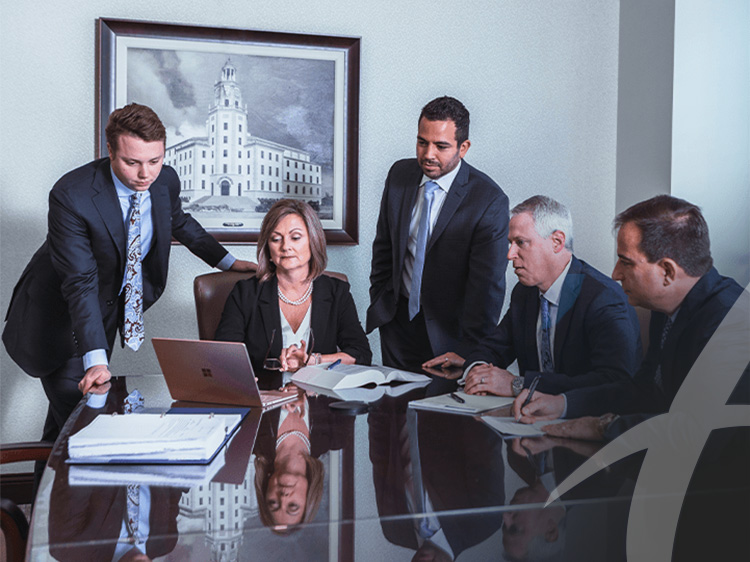
A Confident, Zealous, and Aggressive Law Firm Committed to You